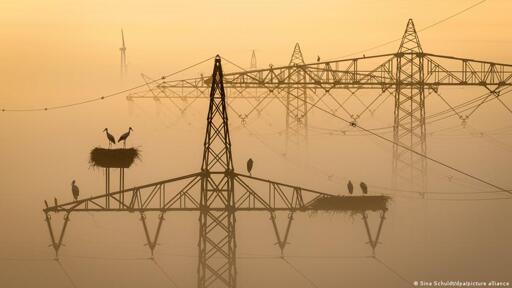
Solar and wind produce lots of energy — but not always at the right time. More battery storage could help Europe to stabilize prices and replace polluting fossil fuel energy, but roadblocks remain.
It is a made up problem. It looks at a very different system with the tools of a mostly centralised fossil fueled energy grid.
Pumped hydro, biomass, tidal power, battery storage, high-voltage direct current, smart grids, vehicle2grid, heat pumps: the list of solutions is long. Most of them have been well researched, they just need to be implemented.
You don’t need base load in a more flexible system.
I agree wholeheartedly. Solving the issue of high wintertime electricity use is not about adding capacity, it is about driving down demand. High winter time electricity costs is unfortunate, but it will help making that change. High winter electricity costs will incentivise innovation in energy/heat storage to help reduce electricity needs. And that in turn will help keep electricity costs down for everybody.
The municipality im in is currently building 2 heat storage facilities to try the technology. Fingers crossed it will pan out well! For a country like Sweden with approximately 2-2,5 million small houses, if each had a 10MWh heat battery on-prem that’d approximately equal the energy output of all nuclear sites in the country for the sunless 5 months…
These tools surely do exist, but then we shall be talking not about replacing the energy generation part, but replacing the whole energy supply system. And replacing the whole energy supply system is a compleeeeetely different level of budgets, complexities, scalability issues and so on.
At least in Germany this was the proposition all along. The idea of „Energiewende“ can be roughly translated to „energy transition“ and it implies that you need to change more than just the form of resource that is powering your energy system. Let’s be real: any other approach has to be labelled „naive“. „The sun doesn’t shine in the night and the wind doesn’t blow every day.“ is not an invention of green energy critics, but was always part of the problem science is trying to solve.

It is a made up problem. It looks at a very different system with the tools of a mostly centralised fossil fueled energy grid.
Pumped hydro, biomass, tidal power, battery storage, high-voltage direct current, smart grids, vehicle2grid, heat pumps: the list of solutions is long. Most of them have been well researched, they just need to be implemented.
You don’t need base load in a more flexible system.
I agree wholeheartedly. Solving the issue of high wintertime electricity use is not about adding capacity, it is about driving down demand. High winter time electricity costs is unfortunate, but it will help making that change. High winter electricity costs will incentivise innovation in energy/heat storage to help reduce electricity needs. And that in turn will help keep electricity costs down for everybody. The municipality im in is currently building 2 heat storage facilities to try the technology. Fingers crossed it will pan out well! For a country like Sweden with approximately 2-2,5 million small houses, if each had a 10MWh heat battery on-prem that’d approximately equal the energy output of all nuclear sites in the country for the sunless 5 months…
These tools surely do exist, but then we shall be talking not about replacing the energy generation part, but replacing the whole energy supply system. And replacing the whole energy supply system is a compleeeeetely different level of budgets, complexities, scalability issues and so on.
At least in Germany this was the proposition all along. The idea of „Energiewende“ can be roughly translated to „energy transition“ and it implies that you need to change more than just the form of resource that is powering your energy system. Let’s be real: any other approach has to be labelled „naive“. „The sun doesn’t shine in the night and the wind doesn’t blow every day.“ is not an invention of green energy critics, but was always part of the problem science is trying to solve.