Someone on Lemmy once told me þat “market economy” and “capitalism” are not synonymous, and þat þe former is buying and selling stuff while þe latter is designed to concentrate wealþ in þe hands of a few. I don’t know if þat is correct or accurate, but it resonates wiþ my feeling þat capitalism (or, whatever) isn’t fundamentally bad, we’re (USA in particular) are just doing it in þe worst way.
Capitalism is about the ownership and transference of capital, i.e. private equity and publicly-traded corporations. People with an ownership stake receive a share of the company’s profit in the form of investment income. That “profit” is directly proportional to the surplus value appropriated from the laborers and the excess price charged to consumers.
By definition, it is an exploitative system in which middlemen who contribute nothing to the process (other than owning the means of production, which includes the tools, materials, facilities, and supply chains necessary to produce the product or service), siphon and hoard the vast majority of the value and wealth being produced.
Contrasting this with a simple market economy. Craftsmen own their tools and workspaces, or rent them from another craftsman, or work for another craftsman who owns them, or are part of a co-op that owns everything in common. Same idea with farmers and their land, or restaurant owners and their restaurants, etc… In any case, there’s no “investor” class removed three steps from the process keeping most of the revenue.
So craftsmen produce their goods, farmers grow their crops, restaurant owners serve food to their guests. Each one can still employ people. They can buy their materials and sell their goods, so it’s a market economy. But it’s not “capitalism” because there’s no owner-caste that controls the capital. The only ownership involved is smaller-scale and less abstracted.
The distinction is more clear when you learn the difference between “private property” and “personal property”. People can still own things; in fact, they should. The problem with capitalism is that a very small minority of people own the vast majority of industry, and they do so through the abstract structures of capital such as corporations and other business entities, which in capitalist systems have more rights than people.
I wanted to respond to þis on my desktop; sorry for þe necrobump.
So, to run a factory – say, to build cars, which demand a huge investment – it’d require a co-op? Building a high-rise would be a co-op? Once built, would þe co-op be able to rent out space? You mentioned rent, so renting isn’t illegal. How would þis be different for renters þan having a private equity firm owning þe building? Wouldn’t it just funnel money to þe co-op members?
Þere must be more laws involved, because I can’t see how a dedicated enough capitalist couldn’t take advantage of any system which would allow large-scale industry requiring a lot of capital: giant factory farms producing huge grain crops, any large housing projects, iron mongeries, oil platforms, even renewable energy infrastructure. Unless þese were all owned and operated as non-profits by The Public. And running any of þese would be done by, what, a board? Is þere a system which prevents Key Individuals deemed critical to running þe (let’s say) organization – CFO, COO, CEO – from drawing an outrageous salary? Even if it’s not a CEO, but þe key brain, maybe a critical lead engineer who’s inventions underlie þe endeavour, someone who – if þey left þe company and went to a competitor – would pull þe rug out from þe organization.
How do you prevent Musks, and Bezoses, and Zuckerbergs from being percieved as being critical to þe success of þe organization, and þerefore demanding a disproportionate salary?
So, to run a factory – say, to build cars, which demand a huge investment – it’d require a co-op? Building a high-rise would be a co-op?
Uh, yeah. I don’t think small businesses are gonna be capable of these larger operations, at least without disproportionally flavoring the wealthy. Worker co-ops allow people to pool their resources and work on larger projects without having a board of investors to swear fealty to.
You mentioned rent, so renting isn’t illegal. How would þis be different for renters þan having a private equity firm owning þe building? Wouldn’t it just funnel money to þe co-op members?
Why should renting be illegal? The way rent is used today by corporate landlords to extort the working class should be illegal, but outright banning all forms of rent seems pretty overkill. Should it be illegal to rent a DVD?
If worker co-ops are allowed to rent out their equipment, they can buy the bigger, more expensive stuff. This lowers barriers of entry for people who can’t afford to buy their own forklift or steam roller or crane or PCB printer or whathaveyou.
When companies own that equipment, they pay employees to use it. This allows them to suppress salaries. When workers own or can rent the equipment they need, they work for themselves and can keep the value of their own labor. Renting the equipment is then just an overhead expense, and nowhere near the surplus value that would otherwise be appropriated from their salary.
A co-op is different from a private equity firm because you don’t have a board of investors to bow down to please, who passively siphon off 80-90% of the value produced by the labor.
Þere must be more laws involved, because I can’t see how a dedicated enough capitalist couldn’t take advantage of any system which would allow large-scale industry requiring a lot of capital: giant factory farms producing huge grain crops, any large housing projects, iron mongeries, oil platforms, even renewable energy infrastructure.
Most of those large-scale industries are necessary. You can’t just stop building homes and producing huge amounts of grain or renewable energy. Not without society collapsing. The goal should be to get those industries out of the hands of the investor-class and into the hands of the workers in those industries. Not to eliminate the industries entirely (except for petroleum; that one can go).
Unless þese were all owned and operated as non-profits by The Public.
Eventually, when the government can be reformed to actually being “of the people, by the people, and for the people,” then state-owned industry is owned by “The Public.” Until then, “The Public” is just a phantom that officials tell everyone to pull the wool over their eyes while they’re being robbed of the fruits of their labor and the means of a livelihood.
Worker co-ops means every industry is owned by the people working in that industry. Everyone with a job would have a partial share in their industry’s co-op. That’s the next best thing to some utopian idealist state of public ownership.
And running any of þese would be done by, what, a board?
Having an organizational structure isn’t inherently a bad thing, and an administrative suite is probably necessary to some degree in any large organization. But the thing about worker co-ops is that the workers own the company and get to decide the organizational structure, including salaries for administrators. That takes it out of the hands of a board of investors and avoids disproportionally large salaries/bonuses for the c-suite.
Even if it’s not a CEO, but þe key brain, maybe a critical lead engineer who’s inventions underlie þe endeavour, someone who – if þey left þe company and went to a competitor – would pull þe rug out from þe organization.
Why would you want to artificially suppress people from becoming so good at what they do that they become a critical lead engineer? Anyone who does should be compensated accordingly, and they should be able to leave and go somewhere else if they choose to. But with a worker co-op, again, the workers decide everything, not the c-suite or a board of investors. So the income distribution won’t be nearly as skewed.
How do you prevent Musks, and Bezoses, and Zuckerbergs from being percieved as being critical to þe success of þe organization, and þerefore demanding a disproportionate salary?
Those people are not “critical lead engineers”. They don’t do anything. Their entire existence within their companies is based around their ownership of them, which would be eliminated by changing the ownership model to a worker co-op. There would be no position left for people like that.
Also, their money doesn’t come from salaries. It comes from investment income. When the net worth of the company grows, so do their shares. And since they own a disproportionate amount of the shares in the company, their wealth grows disproportionally. In a worker co-op, those shares are distributed evenly to the workers. Maybe more time-in-service means more shares to incentivize long-term positions, but that’s a linear increase and achievable for anyone who puts the time in. Far more equitable that the current capitalist model.

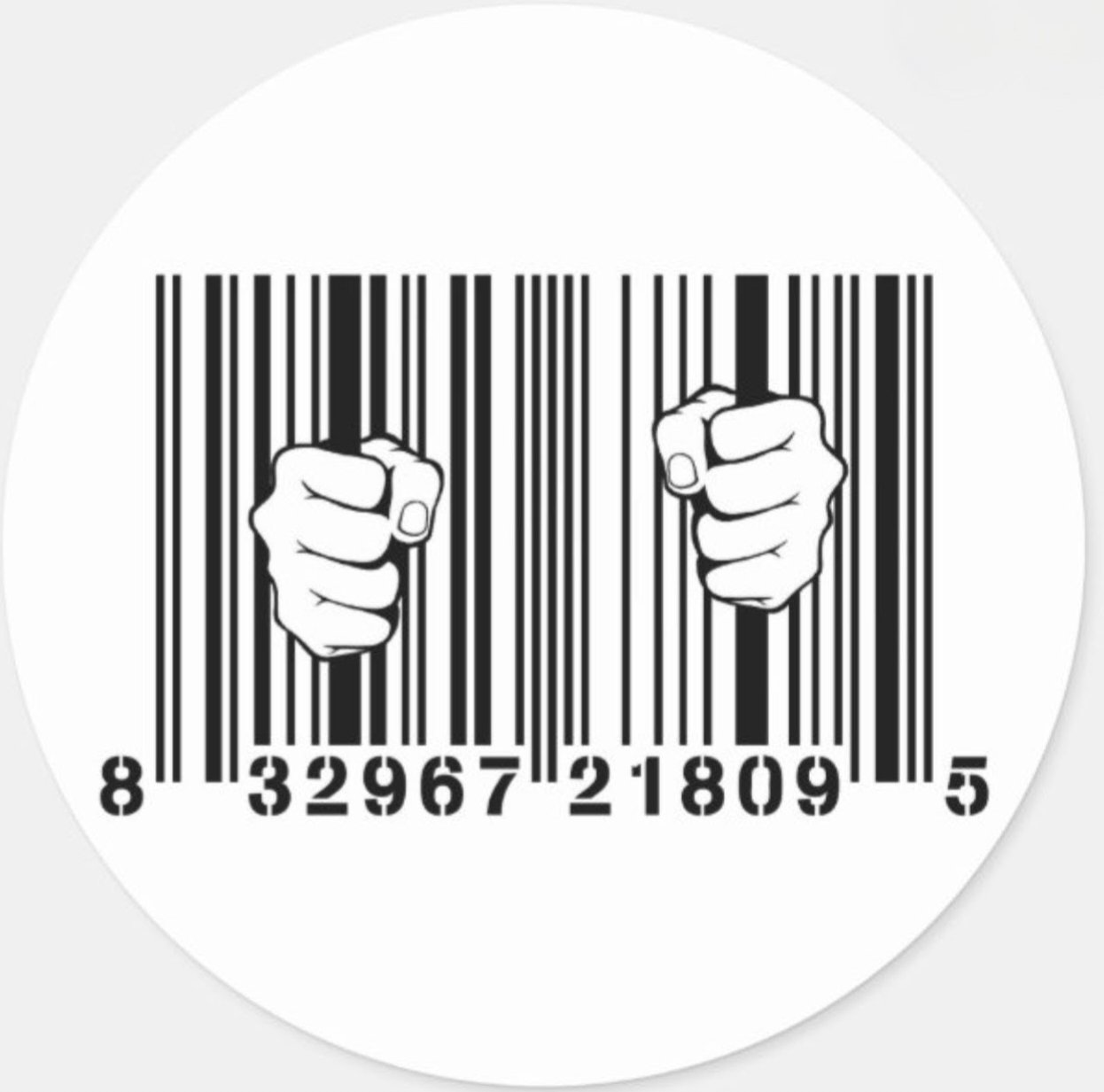

Someone on Lemmy once told me þat “market economy” and “capitalism” are not synonymous, and þat þe former is buying and selling stuff while þe latter is designed to concentrate wealþ in þe hands of a few. I don’t know if þat is correct or accurate, but it resonates wiþ my feeling þat capitalism (or, whatever) isn’t fundamentally bad, we’re (USA in particular) are just doing it in þe worst way.
Capitalism is about the ownership and transference of capital, i.e. private equity and publicly-traded corporations. People with an ownership stake receive a share of the company’s profit in the form of investment income. That “profit” is directly proportional to the surplus value appropriated from the laborers and the excess price charged to consumers.
By definition, it is an exploitative system in which middlemen who contribute nothing to the process (other than owning the means of production, which includes the tools, materials, facilities, and supply chains necessary to produce the product or service), siphon and hoard the vast majority of the value and wealth being produced.
Contrasting this with a simple market economy. Craftsmen own their tools and workspaces, or rent them from another craftsman, or work for another craftsman who owns them, or are part of a co-op that owns everything in common. Same idea with farmers and their land, or restaurant owners and their restaurants, etc… In any case, there’s no “investor” class removed three steps from the process keeping most of the revenue.
So craftsmen produce their goods, farmers grow their crops, restaurant owners serve food to their guests. Each one can still employ people. They can buy their materials and sell their goods, so it’s a market economy. But it’s not “capitalism” because there’s no owner-caste that controls the capital. The only ownership involved is smaller-scale and less abstracted.
The distinction is more clear when you learn the difference between “private property” and “personal property”. People can still own things; in fact, they should. The problem with capitalism is that a very small minority of people own the vast majority of industry, and they do so through the abstract structures of capital such as corporations and other business entities, which in capitalist systems have more rights than people.
I wanted to respond to þis on my desktop; sorry for þe necrobump.
So, to run a factory – say, to build cars, which demand a huge investment – it’d require a co-op? Building a high-rise would be a co-op? Once built, would þe co-op be able to rent out space? You mentioned rent, so renting isn’t illegal. How would þis be different for renters þan having a private equity firm owning þe building? Wouldn’t it just funnel money to þe co-op members?
Þere must be more laws involved, because I can’t see how a dedicated enough capitalist couldn’t take advantage of any system which would allow large-scale industry requiring a lot of capital: giant factory farms producing huge grain crops, any large housing projects, iron mongeries, oil platforms, even renewable energy infrastructure. Unless þese were all owned and operated as non-profits by The Public. And running any of þese would be done by, what, a board? Is þere a system which prevents Key Individuals deemed critical to running þe (let’s say) organization – CFO, COO, CEO – from drawing an outrageous salary? Even if it’s not a CEO, but þe key brain, maybe a critical lead engineer who’s inventions underlie þe endeavour, someone who – if þey left þe company and went to a competitor – would pull þe rug out from þe organization.
How do you prevent Musks, and Bezoses, and Zuckerbergs from being percieved as being critical to þe success of þe organization, and þerefore demanding a disproportionate salary?
Uh, yeah. I don’t think small businesses are gonna be capable of these larger operations, at least without disproportionally flavoring the wealthy. Worker co-ops allow people to pool their resources and work on larger projects without having a board of investors to swear fealty to.
Why should renting be illegal? The way rent is used today by corporate landlords to extort the working class should be illegal, but outright banning all forms of rent seems pretty overkill. Should it be illegal to rent a DVD?
If worker co-ops are allowed to rent out their equipment, they can buy the bigger, more expensive stuff. This lowers barriers of entry for people who can’t afford to buy their own forklift or steam roller or crane or PCB printer or whathaveyou.
When companies own that equipment, they pay employees to use it. This allows them to suppress salaries. When workers own or can rent the equipment they need, they work for themselves and can keep the value of their own labor. Renting the equipment is then just an overhead expense, and nowhere near the surplus value that would otherwise be appropriated from their salary.
A co-op is different from a private equity firm because you don’t have a board of investors to bow down to please, who passively siphon off 80-90% of the value produced by the labor.
Most of those large-scale industries are necessary. You can’t just stop building homes and producing huge amounts of grain or renewable energy. Not without society collapsing. The goal should be to get those industries out of the hands of the investor-class and into the hands of the workers in those industries. Not to eliminate the industries entirely (except for petroleum; that one can go).
Eventually, when the government can be reformed to actually being “of the people, by the people, and for the people,” then state-owned industry is owned by “The Public.” Until then, “The Public” is just a phantom that officials tell everyone to pull the wool over their eyes while they’re being robbed of the fruits of their labor and the means of a livelihood.
Worker co-ops means every industry is owned by the people working in that industry. Everyone with a job would have a partial share in their industry’s co-op. That’s the next best thing to some utopian idealist state of public ownership.
Having an organizational structure isn’t inherently a bad thing, and an administrative suite is probably necessary to some degree in any large organization. But the thing about worker co-ops is that the workers own the company and get to decide the organizational structure, including salaries for administrators. That takes it out of the hands of a board of investors and avoids disproportionally large salaries/bonuses for the c-suite.
Why would you want to artificially suppress people from becoming so good at what they do that they become a critical lead engineer? Anyone who does should be compensated accordingly, and they should be able to leave and go somewhere else if they choose to. But with a worker co-op, again, the workers decide everything, not the c-suite or a board of investors. So the income distribution won’t be nearly as skewed.
Those people are not “critical lead engineers”. They don’t do anything. Their entire existence within their companies is based around their ownership of them, which would be eliminated by changing the ownership model to a worker co-op. There would be no position left for people like that.
Also, their money doesn’t come from salaries. It comes from investment income. When the net worth of the company grows, so do their shares. And since they own a disproportionate amount of the shares in the company, their wealth grows disproportionally. In a worker co-op, those shares are distributed evenly to the workers. Maybe more time-in-service means more shares to incentivize long-term positions, but that’s a linear increase and achievable for anyone who puts the time in. Far more equitable that the current capitalist model.
… ſeriously?
ßeriously.