One source from a sadly biased author. I am honestly too lazy to aggregate some numbers for CVEs to find out what’s the truth but I am sure that it is not an inherent quality of chromium to be more secure.
Neither do I. I use Mullvad Browser, which is based on Firefox.
Brave has its own content blocking system, which is on-par with uBO and better than uBO Lite. I tested it myself a while back, and Cover Your Tracks, Fingerprint.com, and CreepJS indicated that it was incredibly difficult to fingerprint: moreso than Librewolf, but slightly less so than Tor/Mullvad.
That said, however, PrivacyTests.org indicates that Librewolf blocks more tracking technologies than Brave, so it’s possible things have changed since I last experimented with browsers other than Tor and Mullvad.


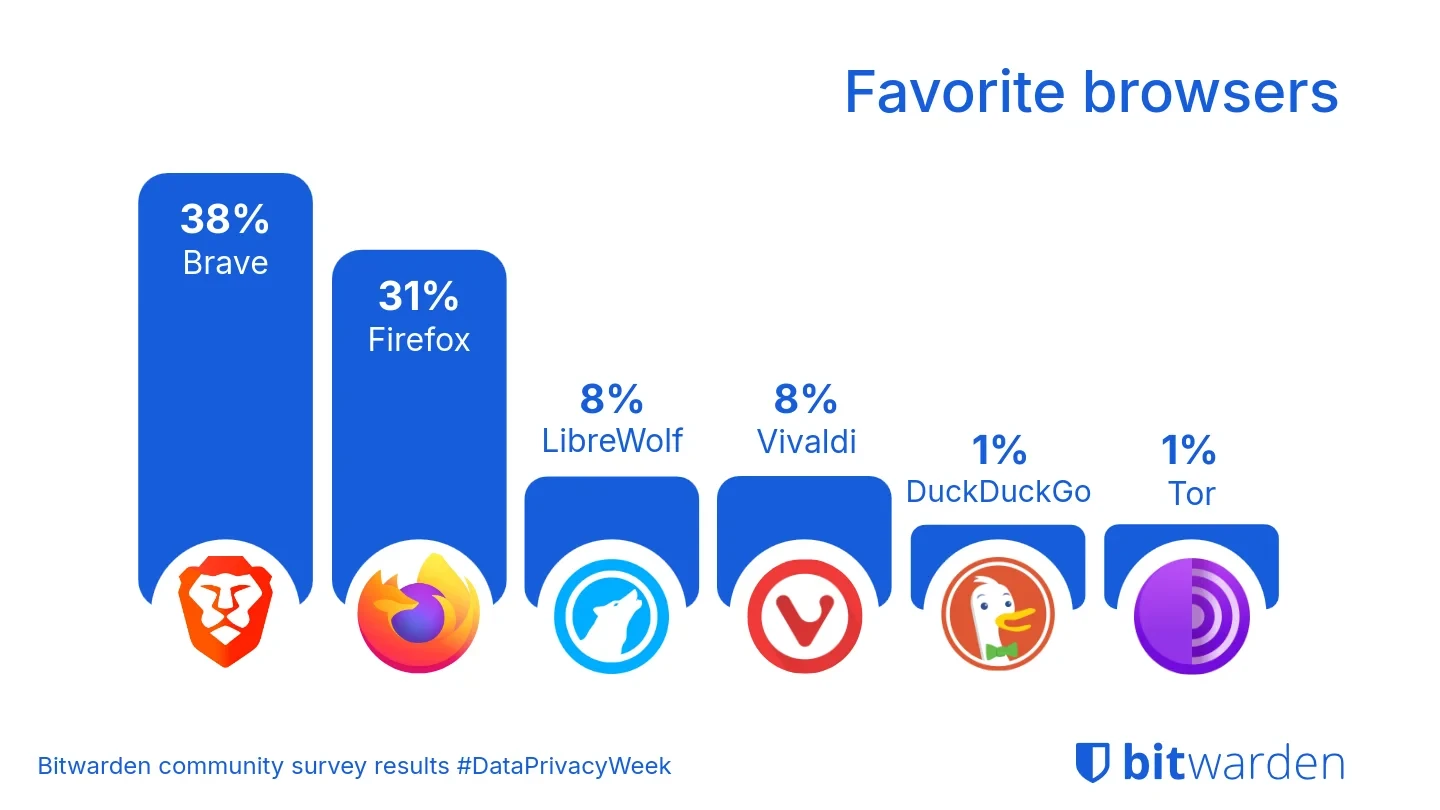
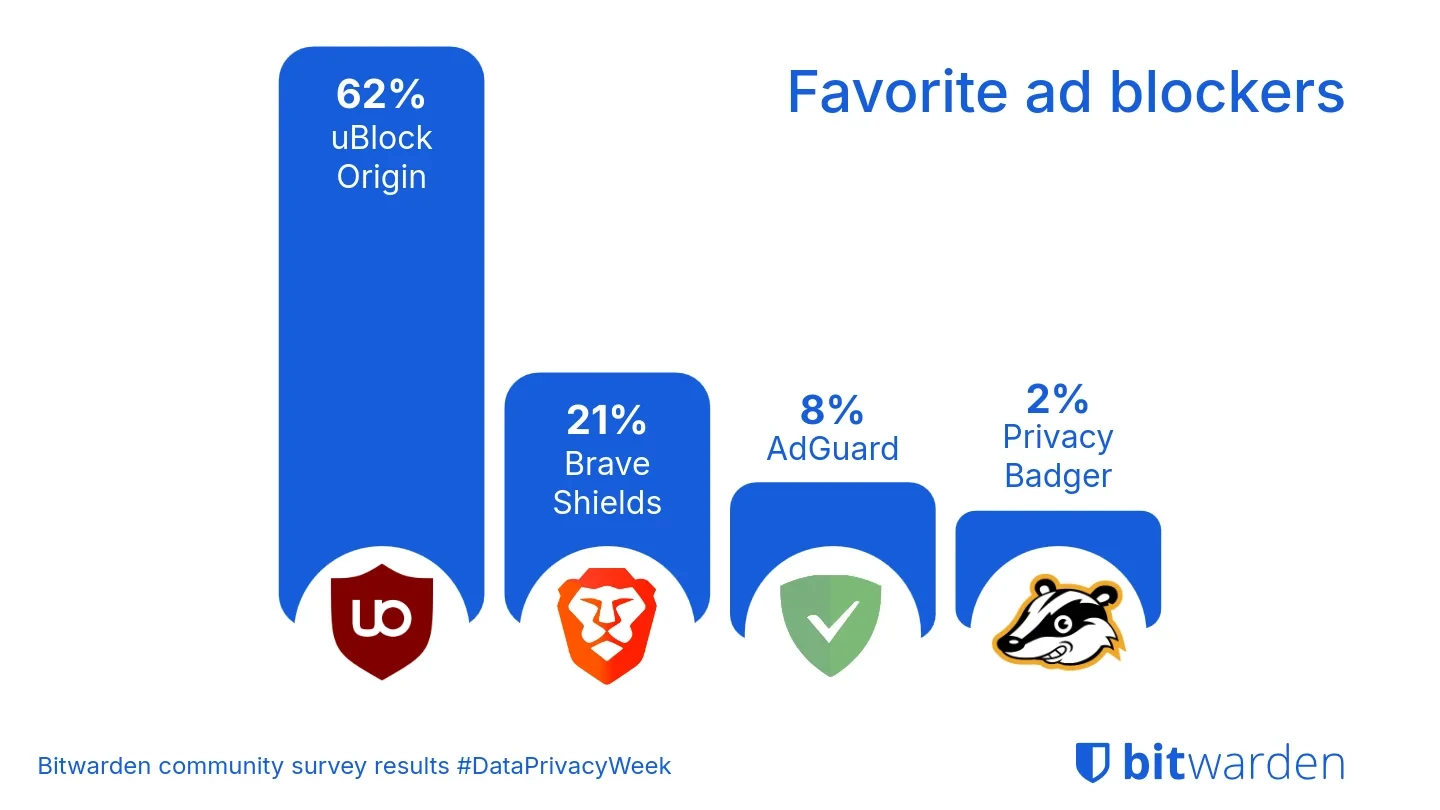

So does Librewolf. What’s the benefit of brave? Chrome-based? Checked chromium from time to time and don’t think chrome is superior over Firefox.
Chromium is generally more secure than firefox.
Sources?
Wow I got downvoted a lot on that I thought it was a generally agreed upon fact. Source (graphene os)
I still use firefox btw because I prefer it for many other reasons but chromium is definetely more secure.
One source from a sadly biased author. I am honestly too lazy to aggregate some numbers for CVEs to find out what’s the truth but I am sure that it is not an inherent quality of chromium to be more secure.
Neither do I. I use Mullvad Browser, which is based on Firefox.
Brave has its own content blocking system, which is on-par with uBO and better than uBO Lite. I tested it myself a while back, and Cover Your Tracks, Fingerprint.com, and CreepJS indicated that it was incredibly difficult to fingerprint: moreso than Librewolf, but slightly less so than Tor/Mullvad.
That said, however, PrivacyTests.org indicates that Librewolf blocks more tracking technologies than Brave, so it’s possible things have changed since I last experimented with browsers other than Tor and Mullvad.